National Network to Freedom site | Black community heritage | Godfrey, Illinois history
A place where ordinary lives shaped extraordinary history
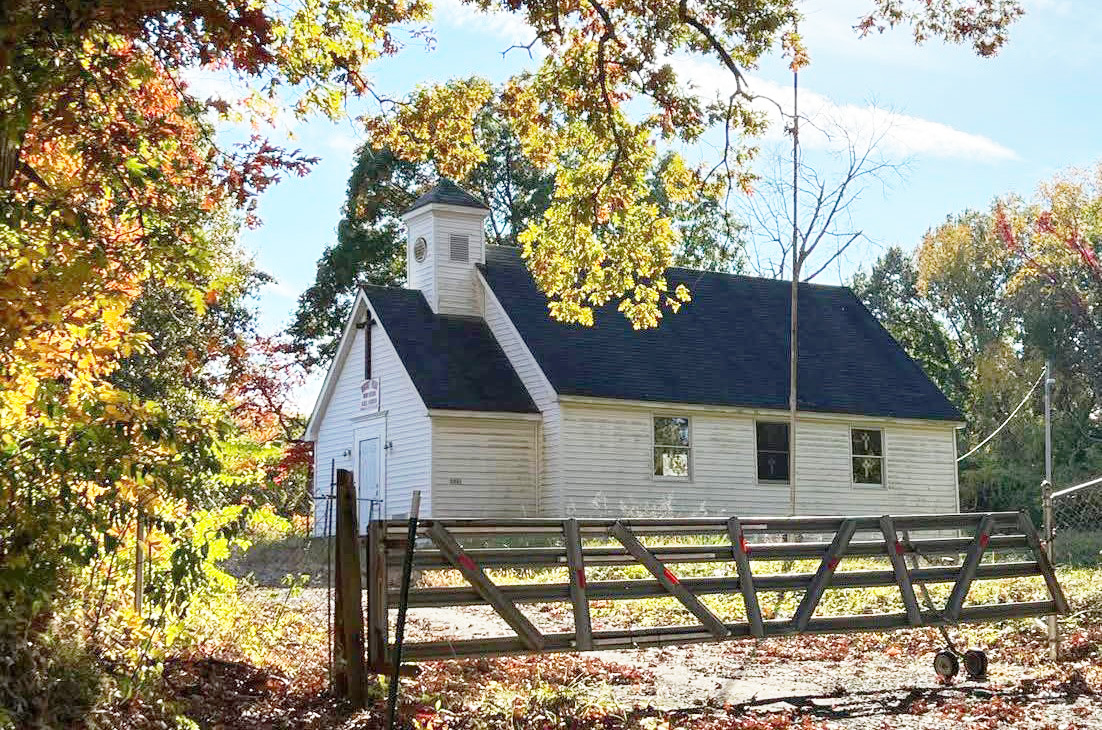
Rocky Fork Preservation Alliance preserves and shares the history of the Rocky Fork area in Godfrey, Illinois, including its significance in the Underground Railroad and Black community heritage.
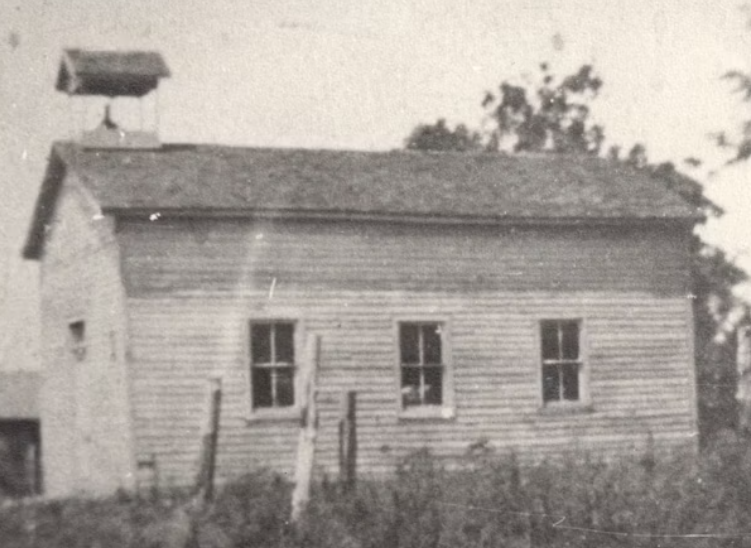
Ordinary people living their lives. This is the collective history of the Rocky Fork area. From those in bondage seeking freedom to those seeking welcome and opportunity, people came to this place simply to live their lives and raise their children. Generation after generation, they called this place “home.”
For some time, the area that would become known as Rocky Fork is believed to have been a passageway for freedom seekers. By 1830, the area was well within the Underground Railroad route overseen by the faithful African Methodist Episcopal member Priscilla Baltimore. Mother Baltimore was known as “The Moses of the West” after leading more than 300 people to freedom, many through Rocky Fork.
Landowners Andrew T. Hawley and Don Alonzo Spaulding were the type of men who put their beliefs into action. They had land to clear and work. They and their families were active abolitionists and are believed to have been Underground Railroad agents. They offered work and the opportunity to acquire land. Some freedom seekers chose to settle in the area.
In 1839, Mother Baltimore brought circuit-riding AME minister William Paul Quinn to meet with the people of Rocky Fork. Rev. Quinn gathered the people together as an AME church group before continuing his westward mission. Through Rev. Quinn’s efforts, the call for a spiritual leader for the Rocky Fork congregation reached Erasmus Green.
Rev. Green answered that call in 1857. By 1869, he had helped raise the first building to house New Bethel Rocky Fork AME Church, which became the center of the community.
Preservation that connects past and present
Whether you are a visitor, local resident, donor, or volunteer, your interest helps sustain the legacy of Rocky Fork and expand understanding of Black history in southwest Illinois.
Learn
Explore the people, places, and stories that made Rocky Fork an important part of the Underground Railroad and regional history.
Support
Preservation depends on community support, advocacy, and generosity that honors the significance of this historic site.
Get Involved
Join the alliance in sharing Rocky Fork’s story, encouraging community engagement, and strengthening public awareness.